By 120 Reviews

Traditional Braces
Disclaimer: This Image is for illustrative purposes only. Individual results and patient outcomes may vary.
Traditional Braces in South West Rocks, Kempsey & Coffs Harbour
Have you been told you need braces to fix crowding, spacing, or bite issues? Or maybe you’re considering orthodontic options and wondering if traditional braces are still the right choice.
While clear aligners get a lot of attention these days, fixed braces remain one of the most reliable ways to achieve straighter teeth, especially for more complex cases or busy and less compliant patients.

Disclaimer: This Image is for illustrative purposes only. Individual results and patient outcomes may vary.
CORRECTING ALIGNMENT WITH FIXED BRACES
Traditional braces use metal brackets and wires to gradually move teeth into better alignment over time. They’re effective for correcting a wide range of orthodontic issues, from mild crowding to complex bite problems.
Braces work consistently and predictably, making them a trusted option for straightening teeth.
Patients from South West Rocks, Kempsey & Coffs Harbour, and throughout the Mid North Coast rely on our experienced team here at South West Rocks Dental for effective, reliable braces treatment.
WHAT TRADITIONAL BRACES HELP WITH
CROOKED OR CROWDED TEETH
When teeth are overcrowded or twisted, they’re harder to clean properly and can affect your confidence. Braces gradually move teeth into straighter positions, improving both appearance and making daily oral hygiene more effective.
GAPS BETWEEN TEETH
Spaces between teeth can occur naturally or develop over time. Braces can close these gaps systematically, creating more even spacing between teeth and reducing areas where food gets trapped.
BITE PROBLEMS
Issues like overbite, underbite, or crossbite can affect how your teeth meet and function. Braces can help align your bite properly, which may improve chewing function and reduce wear on teeth.
WHAT HAPPENS DURING YOUR BRACES TREATMENT

COMPREHENSIVE ORTHODONTIC ASSESSMENT
We examine your teeth, bite, and jaw, take records, and discuss your treatment goals carefully.

BRACKET PLACEMENT
We attach small metal brackets to each tooth and connect them with an archwire that guides movement.

REGULAR ADJUSTMENTS
You’ll visit every 4 to 8 weeks so we can adjust wires and monitor progress throughout treatment.

BRACES REMOVAL AND RETENTION
Once treatment is complete, we remove the braces and fit retainers to maintain your new alignment.
Risk & Recovery
Possible Risks
- Teeth and gums may feel sore after adjustments, particularly in the first few days
- Brackets or wires can occasionally irritate cheeks and lips until you adjust
- Teeth are harder to clean with braces, increasing risk of decay without good hygiene
- Treatment takes time and requires commitment to appointments and care instructions
- Teeth can shift after braces if retainers aren’t worn as directed
Recovery
- Mild discomfort after each adjustment usually settles within a few days
- Soft foods help during the first few days after fitting or adjustments
- You’ll adapt to having braces within a week or two of initial placement
- Good oral hygiene throughout treatment is essential to avoid problems
- Wearing retainers after treatment is critical to maintain results long term
TRANSPARENT PRICING, NO SURPRISES
We believe you should know what to expect before you book. Download your free copy today.
FAQ's: Traditional Braces
How long will I need to wear braces?
Treatment time varies significantly depending on your individual situation. Mild cases might take 12 to 18 months, while more complex alignment or bite issues can take 18 to 30 months or longer. We’ll give you a realistic timeframe after your initial assessment.
Several factors affect treatment length, including how much your teeth need to move, how your teeth respond to treatment, and how well you follow care instructions. Keeping appointments and maintaining good oral hygiene helps treatment stay on track.
Will braces hurt?
Getting braces fitted doesn’t hurt, though your teeth and mouth will feel strange initially. After each adjustment appointment, your teeth will likely feel sore and tender for a few days as they start moving. Over-the-counter pain relief usually manages this discomfort well.
Your cheeks and lips might feel irritated by the brackets at first, but your mouth adapts within a week or two. We’ll give you wax to place over any brackets that rub uncomfortably. Most people say the discomfort is manageable throughout the course of treatment.
What foods should I avoid with braces?
Hard, sticky, or chewy foods can damage brackets and wires, so it’s best to avoid them throughout treatment. This includes things like hard lollies, toffee, chewing gum, crusty bread, and biting into whole apples or corn on the cob.
Cutting food into smaller pieces and choosing softer options protects your braces. We’ll give you a full list of foods to avoid and tips for eating comfortably. Most people adapt their diet easily and find plenty of foods they can still enjoy.
YOUR PAYMENT PLAN OPTIONS



why choose us
WE GET IT
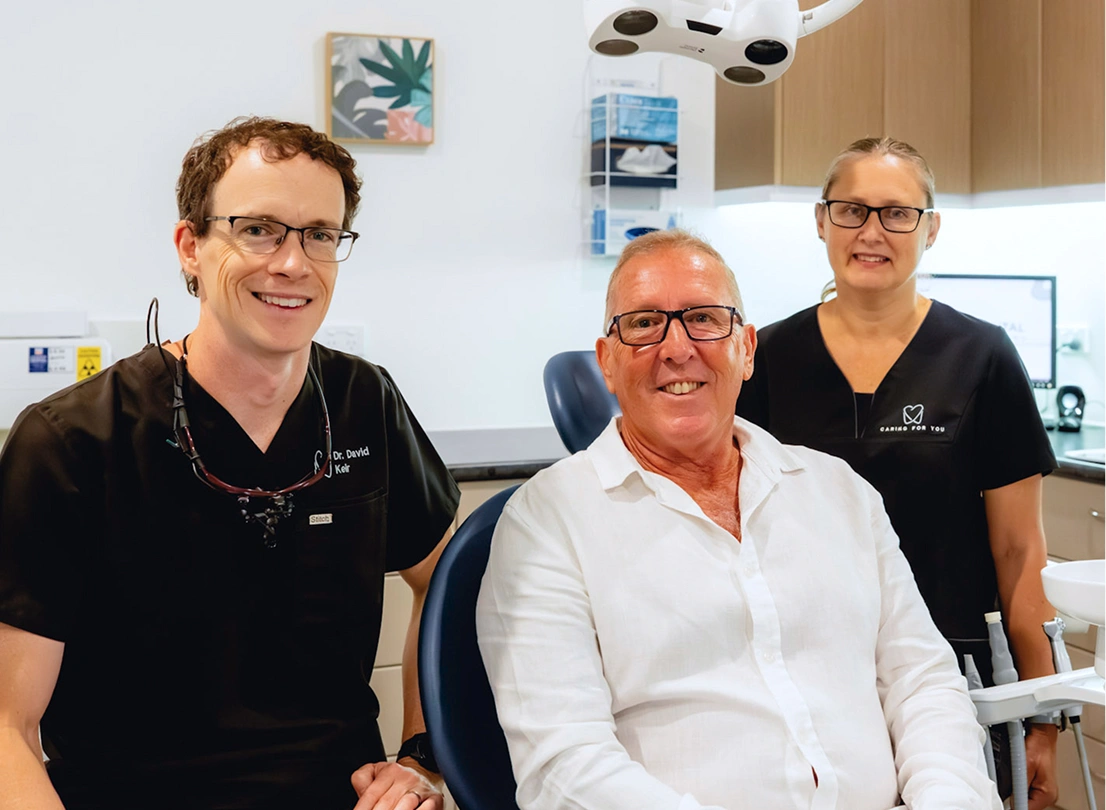
Feeling nervous about the dentist is completely normal. Our team has years of experience helping anxious patients feel at ease. We’ll go at your pace, explain everything clearly, and never make you feel rushed or judged.
MODERN, COMPREHENSIVE CARE
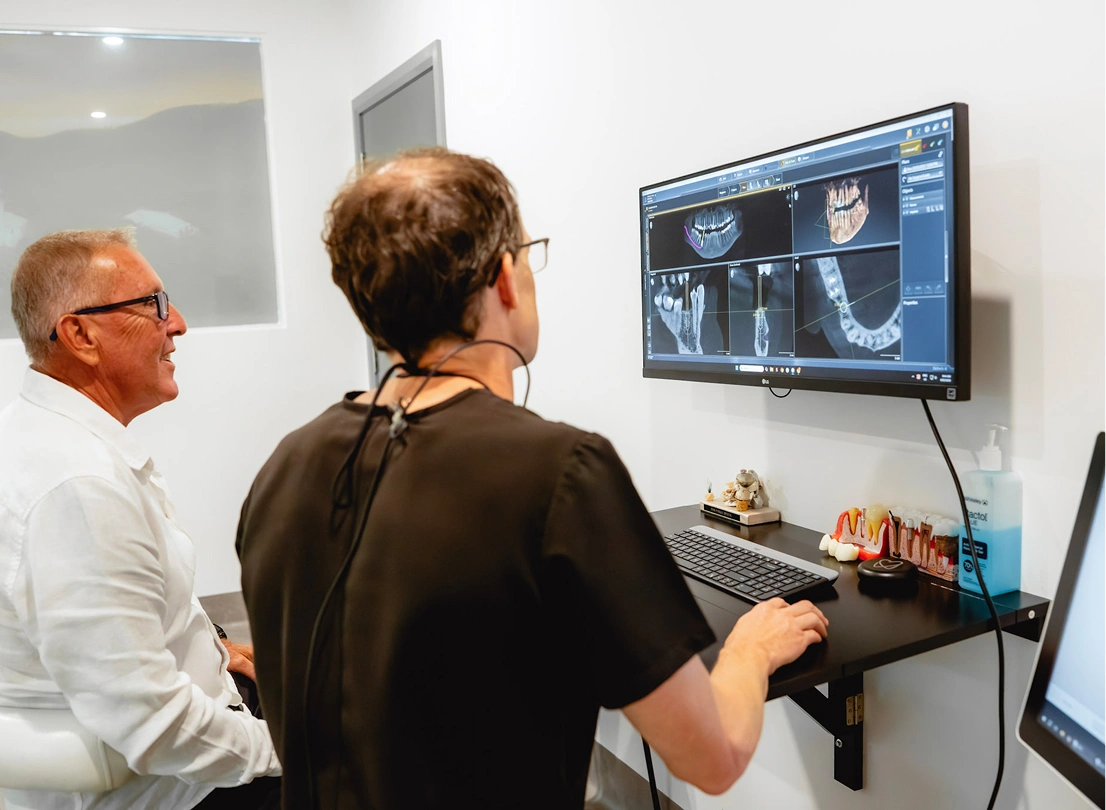
We’ve invested in technology that makes your experience better. CEREC same-day crowns, 3D imaging, digital scanners, and smile design software mean more accurate treatment, less waiting around, and results you can see before we start.

WE STAND BEHIND OUR WORK
All major dental work comes with a three-year guarantee. It’s our way of showing confidence in the quality of care we provide and giving you genuine peace of mind about your treatment.

GETTING TO KNOW YOU
We take time to listen and understand what matters to you. You’re not just another appointment in the schedule. We’re here to build a relationship with you and support your oral health for the long term.

NO SURPRISE COSTS
We’ll always explain costs upfront, so you know exactly what to expect. Interest-free payment plans are available through SmileRight and Humm, making quality dental care more accessible without the financial stress.
we get it
Feeling nervous about the dentist is completely normal. Our team has years of experience helping anxious patients feel at ease. We’ll go at your pace, explain everything clearly, and never make you feel rushed or judged.
MODERN, COMPREHENSIVE CARE
We’ve invested in technology that makes your experience better. CEREC same-day crowns, 3D imaging, digital scanners, and smile design software mean more accurate treatment, less waiting around, and results you can see before we start.
WE STAND BEHIND OUR WORK
All major dental work comes with a three-year guarantee. It’s our way of showing confidence in the quality of care we provide and giving you genuine peace of mind about your treatment.
GETTING TO KNOW YOU
We take time to listen and understand what matters to you. You’re not just another appointment in the schedule. We’re here to build a relationship with you and support your oral health for the long term.
NO SURPRISE COSTS
We’ll always explain costs upfront, so you know exactly what to expect. Interest-free payment plans are available through SmileRight and Humm, making quality dental care more accessible without the financial stress.
related treatment

CONSIDERING BRACES?
Let’s discuss whether traditional braces suit your needs.
Call us on 02 6422 8926 or book online for a free orthodontic consultation.