By 120 Reviews

Gum Graft
Restoring gum tissue to protect exposed tooth roots
Disclaimer: This Image is for illustrative purposes only. Individual results and patient outcomes may vary.
Gum Graft in South West Rocks, Kempsey & Coffs Harbour
Noticed your gums pulling back and exposing more of your teeth than they used to? Maybe you’re experiencing sensitivity from exposed roots, or you’re concerned about the extent of the recession.
Gum grafting can help rebuild lost gum tissue, protect exposed roots, and help prevent further recession.
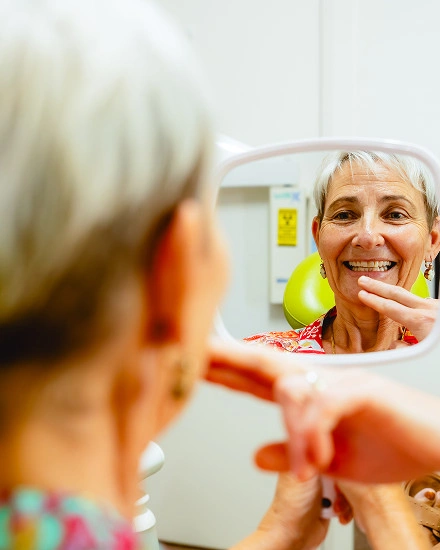
Disclaimer: This Image is for illustrative purposes only. Individual results and patient outcomes may vary.
REBUILDING RECEDED GUM TISSUE
A gum graft is a surgical procedure that adds gum tissue to areas where gums have receded and pulled away from teeth. The graft tissue is typically taken from the roof of your mouth or obtained from a donor source, then attached to the area where gum tissue is needed.
This procedure aims to cover exposed tooth roots and help prevent further recession.
Patients from South West Rocks, Kempsey, Coffs Harbour, and throughout the Mid North Coast trust our skilled team here at South West Rocks Dental for gum graft procedures that can help protect tooth health and improve gum appearance.
WHAT GUM GRAFTING HELPS WITH
RECEDING GUMS AND EXPOSED ROOTS
When gums recede, tooth roots become exposed, which can affect gum coverage and make teeth appear longer. Gum grafting aims to cover exposed roots, which may help protect teeth and create a more balanced gum line.
TOOTH SENSITIVITY
Exposed tooth roots often cause sensitivity to hot, cold, or sweet foods because the protective gum covering is missing. Adding gum tissue over exposed roots may help reduce this sensitivity and make eating more comfortable.
HELPING PREVENT FURTHER RECESSION
Once gums start receding, the process can continue without treatment. Gum grafting aims to stop or slow further recession by adding protective tissue, which may help preserve tooth structure and bone long term.
WHAT HAPPENS DURING YOUR GUM GRAFT PROCEDURE

ASSESSMENT AND PLANNING
We examine the recession carefully, measure gum loss, and plan the size and placement of the graft.

TISSUE HARVESTING OR PREPARATION
Under local anaesthetic, we obtain graft tissue from your palate or prepare donor tissue for placement.

GRAFT PLACEMENT AND SECURING
We carefully position the graft tissue over exposed roots and secure it with tiny stitches precisely.

HEALING AND INTEGRATION
The graft tissue gradually integrates with your existing gums over several weeks, creating new coverage.
Risk & Recovery
Possible Risks
- Gum grafting is surgical and carries risks like infection, bleeding, or pain
- The graft may not take successfully and could fail to integrate
- Taking tissue from the roof of your mouth creates a second surgical site
- Some people experience prolonged discomfort or sensitivity after surgery
- The graft may shrink somewhat during healing, affecting final coverage
- Additional grafting may be needed if initial results are insufficient
Recovery
- Discomfort, swelling, and sensitivity for several days after the procedure
- The roof of your mouth (if tissue was taken from there) will also be sore
- Soft, cool foods recommended for at least a week while healing
- Avoid brushing the graft site initially but maintain hygiene elsewhere carefully
- Healing typically takes 2 to 4 weeks, with gradual improvement in comfort
- Follow-up appointments help monitor healing and ensure the graft is integrating well
TRANSPARENT PRICING, NO SURPRISES
We believe you should know what to expect before you book. Download your free copy today.
FAQ's: Gum Graft
Is gum grafting painful?
The procedure is performed under local anaesthetic, so you shouldn’t feel pain during surgery. You’ll feel pressure and movement, but not sharp pain. Some practices offer sedation if you’re particularly anxious.
After the anaesthetic wears off, both the graft site and the area where tissue was taken (if from your palate) will be sore for several days. Prescribed pain relief usually manages this well. Most people say the discomfort from the roof of the mouth is more bothersome than the graft site itself.
How successful are gum grafts?
Success rates for gum grafts are generally good when proper technique is used and post-operative instructions are followed carefully. However, individual results vary based on factors like the severity of recession, your overall health, smoking status, and how well you care for the graft during healing.
Some shrinkage during healing is normal, so complete root coverage isn’t always achievable. We’ll discuss realistic expectations for your specific situation. Good oral hygiene and addressing the cause of recession helps maintain results long term.
What causes gum recession?
Gum recession can result from several factors, including aggressive brushing, gum disease, genetics, tooth grinding, or poor oral hygiene. Sometimes teeth positioned outside the normal arch don’t have adequate gum tissue naturally.
Identifying and addressing the cause is important because grafting alone won’t prevent future recession if the underlying cause continues. We’ll discuss what’s causing your recession and how to protect your gums going forward, which may include adjusting your brushing technique or treating gum disease.
YOUR PAYMENT PLAN OPTIONS




why choose us
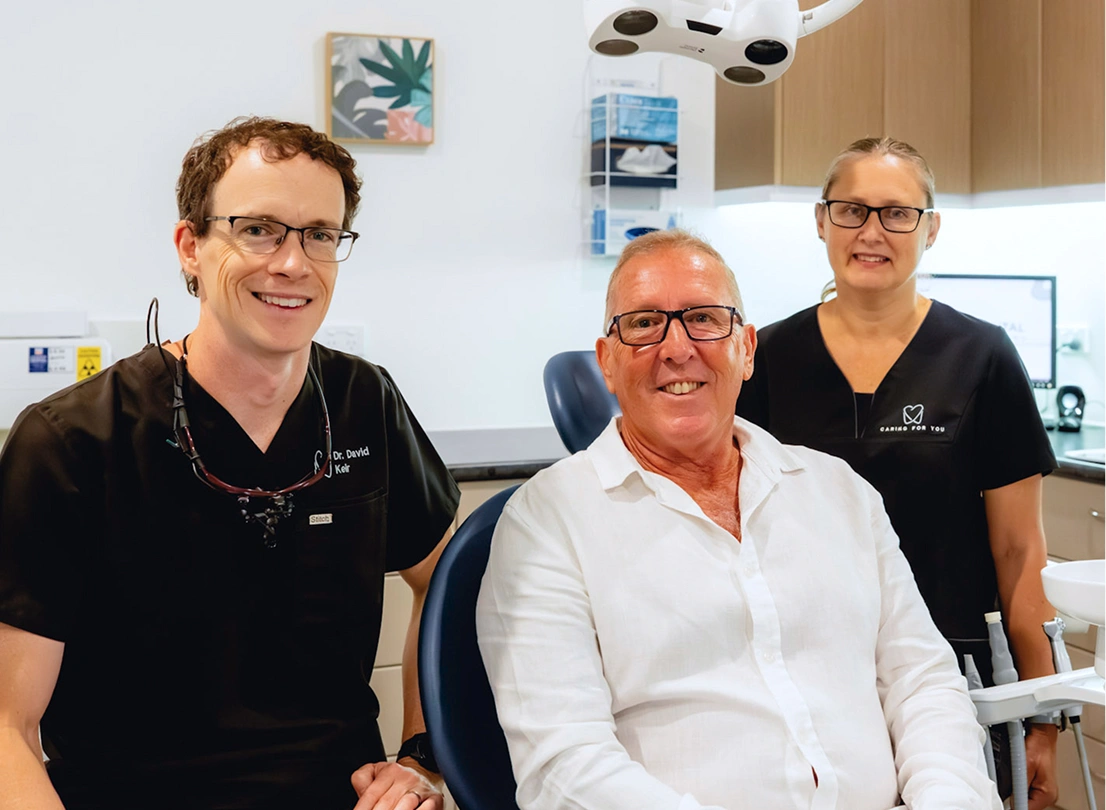
WE GET IT
Feeling nervous about the dentist is completely normal. Our team has years of experience helping anxious patients feel at ease. We’ll go at your pace, explain everything clearly, and never make you feel rushed or judged.
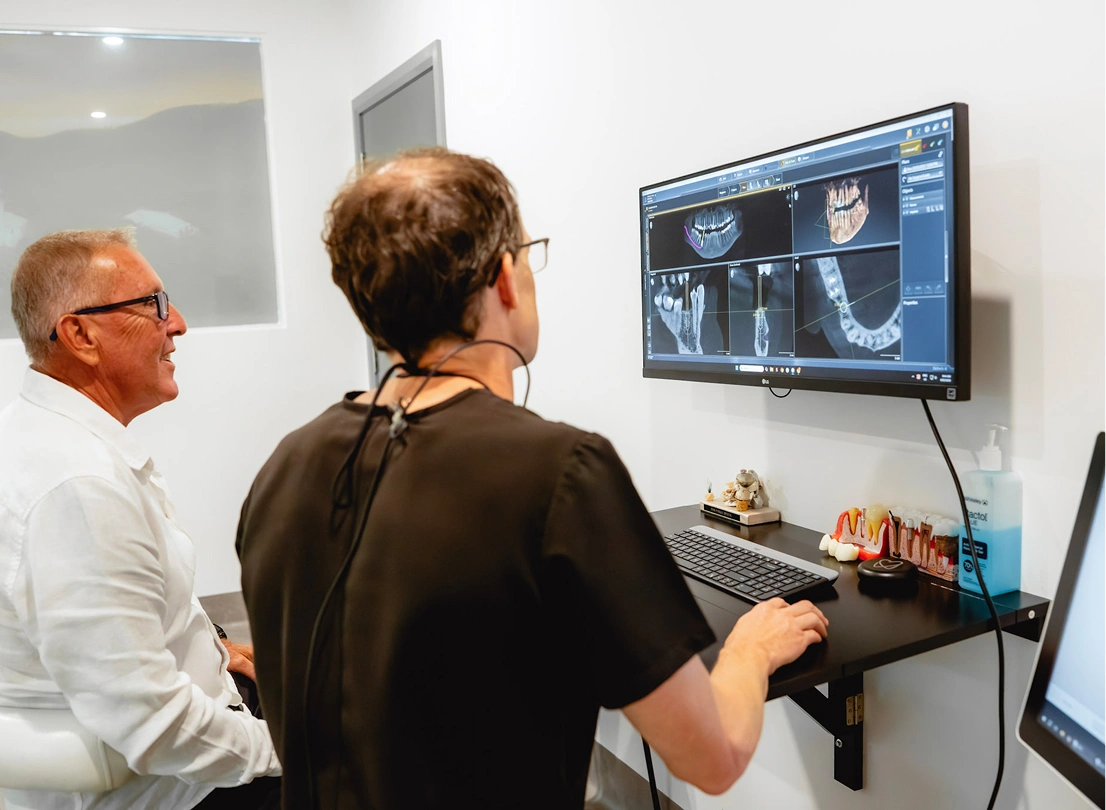
MODERN, COMPREHENSIVE CARE
We’ve invested in technology that makes your experience better. CEREC same-day crowns, 3D imaging, digital scanners, and smile design software mean more accurate treatment, less waiting around, and results you can see before we start.

WE STAND BEHIND OUR WORK
All major dental work comes with a three-year guarantee. It’s our way of showing confidence in the quality of care we provide and giving you genuine peace of mind about your treatment.
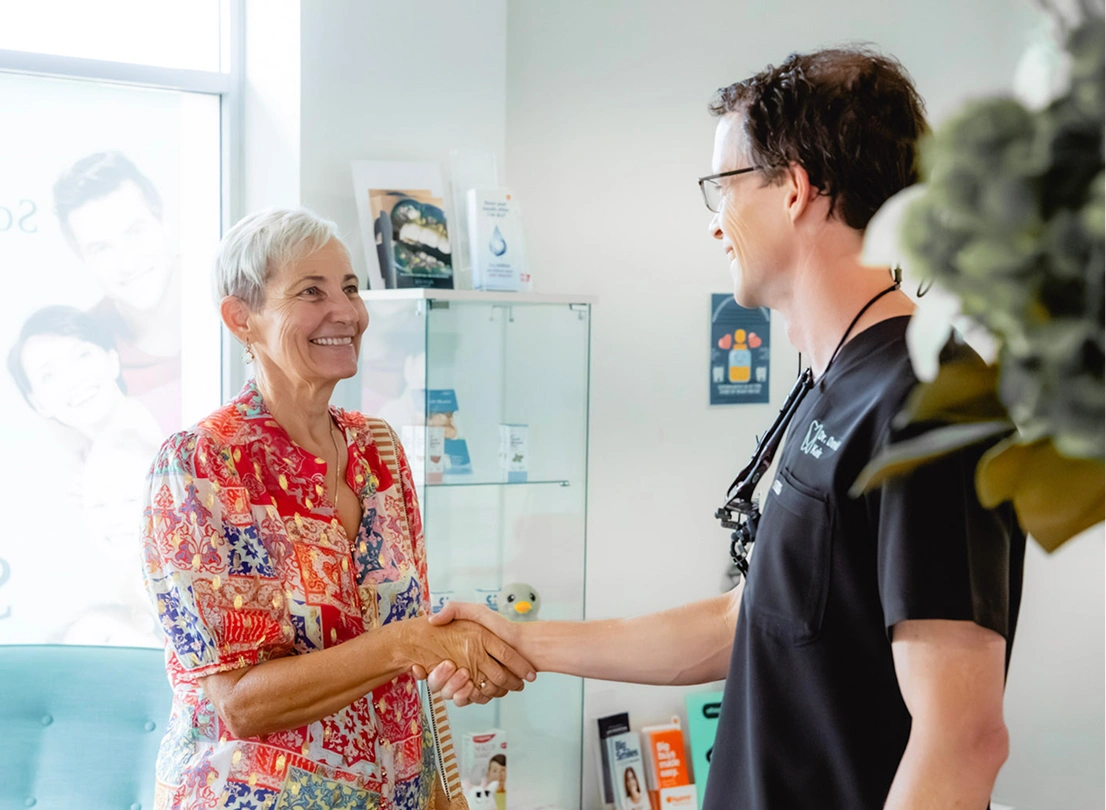
GETTING TO KNOW YOU
We take time to listen and understand what matters to you. You’re not just another appointment in the schedule. We’re here to build a relationship with you and support your oral health for the long term.

NO SURPRISE COSTS
We’ll always explain costs upfront, so you know exactly what to expect. Interest-free payment plans are available through SmileRight and Humm, making quality dental care more accessible without the financial stress.
we get it
Feeling nervous about the dentist is completely normal. Our team has years of experience helping anxious patients feel at ease. We’ll go at your pace, explain everything clearly, and never make you feel rushed or judged.
MODERN, COMPREHENSIVE CARE
We’ve invested in technology that makes your experience better. CEREC same-day crowns, 3D imaging, digital scanners, and smile design software mean more accurate treatment, less waiting around, and results you can see before we start.
WE STAND BEHIND OUR WORK
All major dental work comes with a three-year guarantee. It’s our way of showing confidence in the quality of care we provide and giving you genuine peace of mind about your treatment.
GETTING TO KNOW YOU
We take time to listen and understand what matters to you. You’re not just another appointment in the schedule. We’re here to build a relationship with you and support your oral health for the long term.
NO SURPRISE COSTS
We’ll always explain costs upfront, so you know exactly what to expect. Interest-free payment plans are available through SmileRight and Humm, making quality dental care more accessible without the financial stress.
related treatment

CONCERNED ABOUT RECEDING GUMS?
Let’s discuss whether gum grafting suits your situation.
Call us on 02 6422 8926 or book online.