By 120 Reviews

Early Orthodontic Assessment
Identifying potential alignment issues while children are still growing
Disclaimer: This Image is for illustrative purposes only. Individual results and patient outcomes may vary.
Early Orthodontic Assessment in South West Rocks, Kempsey & Coffs Harbour
Noticed your child’s teeth coming through a bit crooked, or worried about how their bite is developing? Maybe their dentist has suggested keeping an eye on things, or you’re just wondering if it’s too early to think about braces.
An early assessment can help identify potential issues while your child is still growing, when some problems are easier to address.
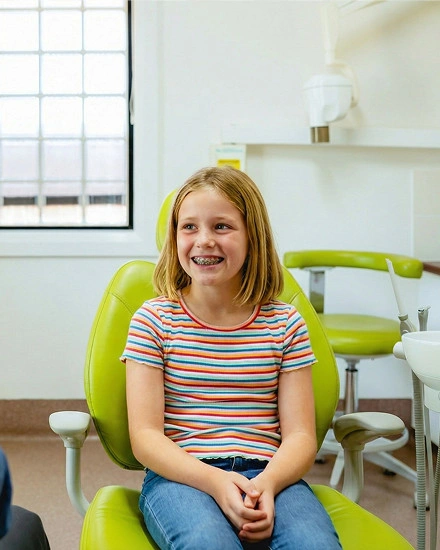
Disclaimer: This Image is for illustrative purposes only. Individual results and patient outcomes may vary.
EVALUATING ORTHODONTIC NEEDS IN YOUNG CHILDREN
Early orthodontic assessment examines how your child’s teeth, jaws, and bite are developing, typically around age 7 to 9. While most children won’t need treatment at this age, early evaluation allows us to identify potential problems and determine the ideal timing for intervention if needed.
Some issues are easier to address while children are still growing.
Parents from South West Rocks, Kempsey, Coffs Harbour, and throughout the Mid North Coast appreciate our proactive approach here at South West Rocks Dental to monitoring children’s orthodontic development.
WHAT EARLY ORTHODONTIC ASSESSMENT HELPS WITH
IDENTIFYING DEVELOPING BITE PROBLEMS
Issues like crossbites, underbites, or significant overbites can sometimes benefit from early intervention while jaws are still growing. Early assessment allows us to monitor these conditions and determine if and when treatment might be helpful.
DETECTING CROWDING OR SPACING ISSUES
By examining baby teeth and emerging permanent teeth, we can often predict whether there will be enough space for all permanent teeth. Early detection of crowding allows us to plan ahead and discuss potential treatment options with you.
ADDRESSING HABITS AFFECTING DEVELOPMENT
Prolonged thumb sucking, tongue thrusting, or mouth breathing can affect how teeth and jaws develop. Early assessment identifies these habits, and we can discuss ways to address them before they cause significant problems.
WHAT HAPPENS DURING YOUR CHILD'S ORTHODONTIC ASSESSMENT

COMPREHENSIVE EXAMINATION
We examine how teeth are positioned, how jaws meet, and how your child’s bite is developing carefully.

ASSESSMENT OF GROWTH AND DEVELOPMENT
We evaluate jaw growth patterns, check for emerging permanent teeth, and assess overall oral development stages.

DISCUSSION OF FINDINGS
We explain what we’ve observed, discuss whether any concerns exist, and answer all your questions thoroughly.

RECOMMENDATIONS AND TIMING
We provide clear guidance on whether treatment is needed now, later, or perhaps not at all going forward.
TRANSPARENT PRICING, NO SURPRISES
We believe you should know what to expect before you book. Download your free copy today.
FAQ's: Early Orthodontic Assessment
Why assess orthodontic needs so early?
Most children won’t need orthodontic treatment at age 7 to 9, but early assessment allows us to identify problems that benefit from early intervention. Some bite issues, jaw growth problems, or severe crowding can be easier to address while children are still growing.
Early assessment doesn’t mean early treatment. Often, we simply monitor development and recommend treatment later when more permanent teeth have emerged. However, identifying concerns early allows us to plan ahead and choose the best timing for any necessary treatment.
What happens if my child needs treatment?
If we identify issues that benefit from early intervention, we’ll explain clearly why treatment is recommended and what it involves. Early treatment might include simple appliances to guide jaw growth, create space for permanent teeth, or address specific bite problems.
Many children who have early intervention still need braces later, but early treatment can make the later orthodontic work simpler and shorter. We’ll discuss realistic expectations, treatment options, costs, and timing so you can make informed decisions about your child’s care.
When is the right time for braces?
The ideal time for braces varies depending on the individual child and the specific orthodontic issues. Many children begin comprehensive orthodontic treatment between ages 11 and 13, when most permanent teeth have emerged but growth is still occurring.
However, some children benefit from earlier intervention for specific problems, while others can wait until all permanent teeth are present. Early assessment helps us determine the optimal timing for your child’s specific situation, ensuring treatment happens when it will be most effective.
FREE ORTHODONTIC CONSULTATION
We offer complimentary orthodontic consultations to assess your child’s orthodontic needs and discuss potential treatment options. This 15-minute appointment provides a preliminary assessment and helps you understand whether further evaluation or treatment might be beneficial.
If comprehensive treatment is recommended, a full Comprehensive Dental Assessment with detailed records and treatment planning would be the next step.
YOUR PAYMENT PLAN OPTIONS




why choose us
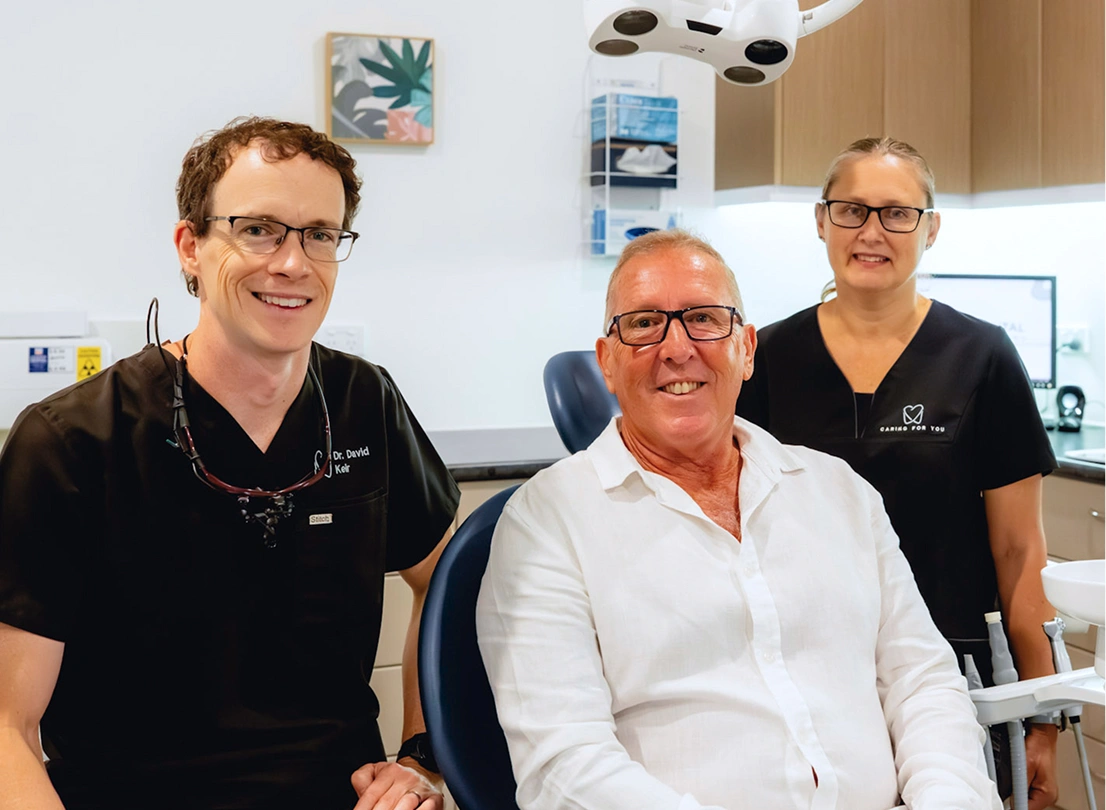
WE GET IT
Feeling nervous about the dentist is completely normal. Our team has years of experience helping anxious patients feel at ease. We’ll go at your pace, explain everything clearly, and never make you feel rushed or judged.
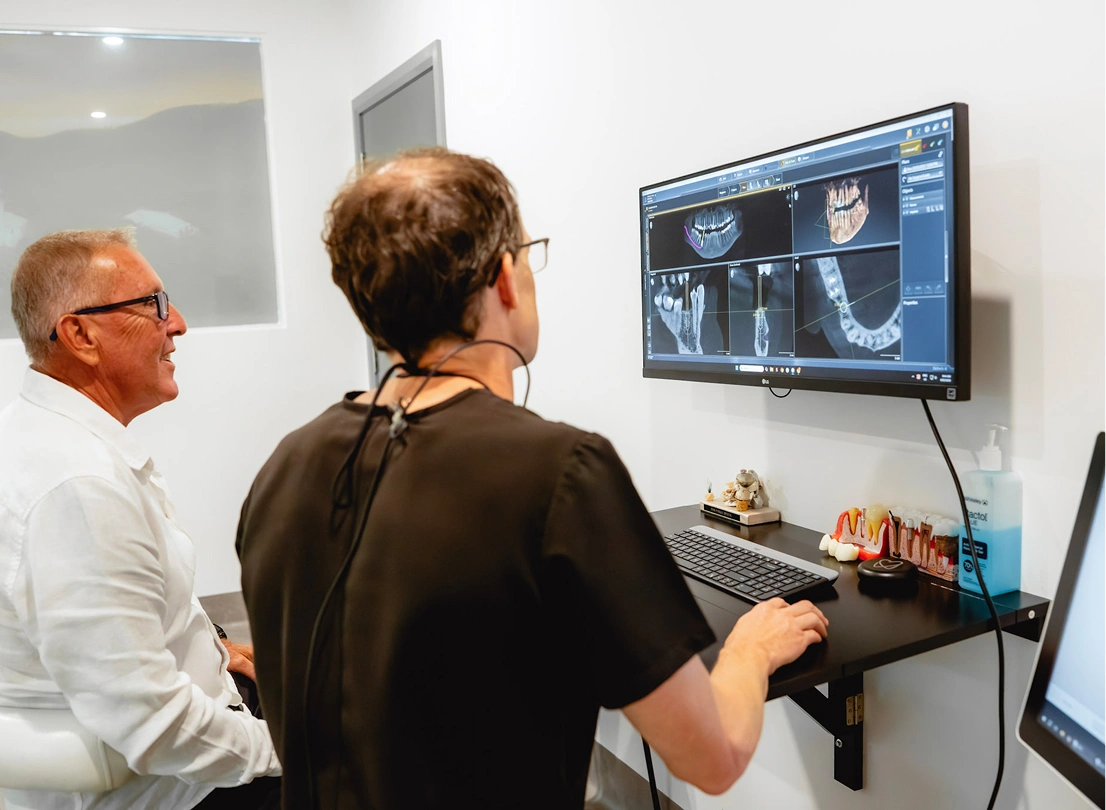
MODERN, COMPREHENSIVE CARE
We’ve invested in technology that makes your experience better. CEREC same-day crowns, 3D imaging, digital scanners, and smile design software mean more accurate treatment, less waiting around, and results you can see before we start.

WE STAND BEHIND OUR WORK
All major dental work comes with a three-year guarantee. It’s our way of showing confidence in the quality of care we provide and giving you genuine peace of mind about your treatment.

GETTING TO KNOW YOU
We take time to listen and understand what matters to you. You’re not just another appointment in the schedule. We’re here to build a relationship with you and support your oral health for the long term.

NO SURPRISE COSTS
We’ll always explain costs upfront, so you know exactly what to expect. Interest-free payment plans are available through SmileRight and Humm, making quality dental care more accessible without the financial stress.
we get it
Feeling nervous about the dentist is completely normal. Our team has years of experience helping anxious patients feel at ease. We’ll go at your pace, explain everything clearly, and never make you feel rushed or judged.
MODERN, COMPREHENSIVE CARE
We’ve invested in technology that makes your experience better. CEREC same-day crowns, 3D imaging, digital scanners, and smile design software mean more accurate treatment, less waiting around, and results you can see before we start.
WE STAND BEHIND OUR WORK
All major dental work comes with a three-year guarantee. It’s our way of showing confidence in the quality of care we provide and giving you genuine peace of mind about your treatment.
GETTING TO KNOW YOU
We take time to listen and understand what matters to you. You’re not just another appointment in the schedule. We’re here to build a relationship with you and support your oral health for the long term.
NO SURPRISE COSTS
We’ll always explain costs upfront, so you know exactly what to expect. Interest-free payment plans are available through SmileRight and Humm, making quality dental care more accessible without the financial stress.
related treatment

READY FOR AN ORTHODONTIC ASSESSMENT?
Book a free consultation to discuss your child’s orthodontic development.
Call us on 02 6422 8926 or book online.