By 120 Reviews

Fissure Sealants
Protective coatings to help prevent decay in back teeth
Fissure Sealants in South West Rocks, Kempsey & Coffs Harbour
Worried about your child’s back teeth getting cavities? Those deep grooves in molars can be tricky to clean properly, even with good brushing habits. Fissure sealants offer a simple way to help protect these vulnerable teeth before decay has a chance to start.
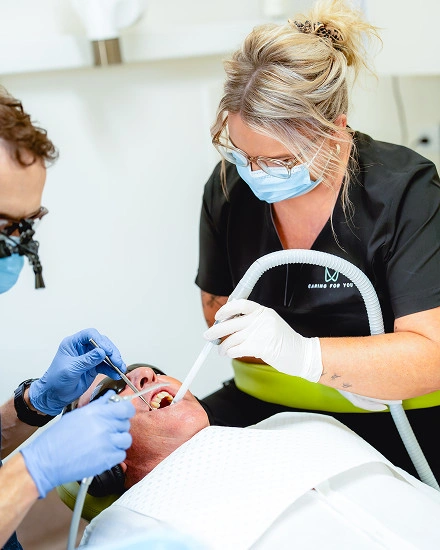
SEALING DEEP GROOVES IN TEETH
Fissure sealants are thin protective coatings applied to the chewing surfaces of back teeth, particularly molars and premolars. These teeth have deep grooves and pits that can trap food and bacteria, making them difficult to clean thoroughly.
Sealants create a smooth barrier that aims to protect these vulnerable areas from decay.
Families from South West Rocks, Kempsey, Coffs Harbour, and throughout the Mid North Coast choose our friendly team here at South West Rocks Dental for fissure sealants to help protect children’s teeth from cavities.
WHAT FISSURE SEALANTS HELP WITH
DEEP GROOVES THAT TRAP FOOD
Back teeth often have deep fissures and pits in their chewing surfaces where food particles and bacteria can become trapped. Even with good brushing, these grooves can be difficult to clean properly. Sealants fill these grooves, creating a smoother surface that’s easier to keep clean.
PREVENTING DECAY IN CHILDREN AND TEENS
Children and teenagers are particularly prone to cavities in their back teeth as permanent molars emerge. Sealants applied soon after these teeth come through may help protect them during the years when cavity risk is highest.
PROTECTING TEETH IN ADULTS
Adults with deep grooves in their back teeth or a history of decay can also benefit from sealants. If you haven’t had cavities in these teeth yet, sealants may help prevent future decay in these vulnerable areas.
WHAT HAPPENS DURING YOUR SEALANT TREATMENT

CLEANING AND PREPARING THE TOOTH
We clean the tooth surface thoroughly and etch it lightly to help the sealant bond properly.

DRYING AND ISOLATING THE TOOTH
We dry the tooth completely and keep it dry, as moisture can prevent the sealant from bonding.

APPLYING THE SEALANT MATERIAL
We paint the liquid sealant material into the grooves and pits on the chewing surface carefully.

CURING AND CHECKING THE SEAL
We use a special light to harden the sealant, then check the bite and smooth any high spots.
Risk & Recovery
Possible Risks
- Sealants can chip, wear away, or fall off over time, particularly with heavy chewing
- If a sealant comes loose partially, bacteria can get trapped underneath
- Sealants don’t prevent decay on other tooth surfaces or between teeth
- Some people may be allergic to sealant materials, though this is extremely rare
- Existing decay must be treated first, as sealants seal over tooth surfaces
Recovery
- No recovery time needed, you can eat and drink immediately after treatment
- Sealants may feel slightly different initially but you’ll adapt quickly
- Avoid very hard or sticky foods that might dislodge newly placed sealants
- Regular checkups help monitor sealant condition and replace them if needed
- Sealants typically last several years with proper care and normal use
TRANSPARENT PRICING, NO SURPRISES
We believe you should know what to expect before you book. Download your free copy today.
FAQ's: Fissure Sealants
At what age should children get sealants?
Sealants are most commonly applied when permanent molars come through, which typically happens around age 6 for first molars and around age 12 for second molars. Applying sealants soon after these teeth emerge, before decay develops, may provide the best protection during cavity-prone years.
Some children may benefit from sealants on baby teeth if those teeth have particularly deep grooves and the child is at high risk for cavities. We’ll assess your child’s individual needs and recommend sealants if they would be beneficial.
How long do fissure sealants last?
Sealants typically last 5 to 10 years with normal wear, though some wear away sooner and others last longer. The longevity depends on factors like chewing habits, diet, tooth grinding, and how well the sealant bonded initially.
We check sealants at regular checkups and can repair or replace them if they’ve chipped or worn away. Even if a sealant doesn’t last indefinitely, it provides protection during the years when cavity risk is often highest, particularly in children and teenagers.
Do sealants replace brushing and flossing?
No, sealants are an additional protective measure, not a replacement for good oral hygiene. Sealants only protect the chewing surfaces of back teeth. You still need to brush twice daily and floss to clean between teeth and along the gum line.
Sealants work best when combined with fluoride toothpaste, regular dental checkups, and a diet low in sugary foods and drinks. Think of sealants as extra insurance for vulnerable tooth surfaces, but good daily care is still essential.
YOUR PAYMENT PLAN OPTIONS



why choose us
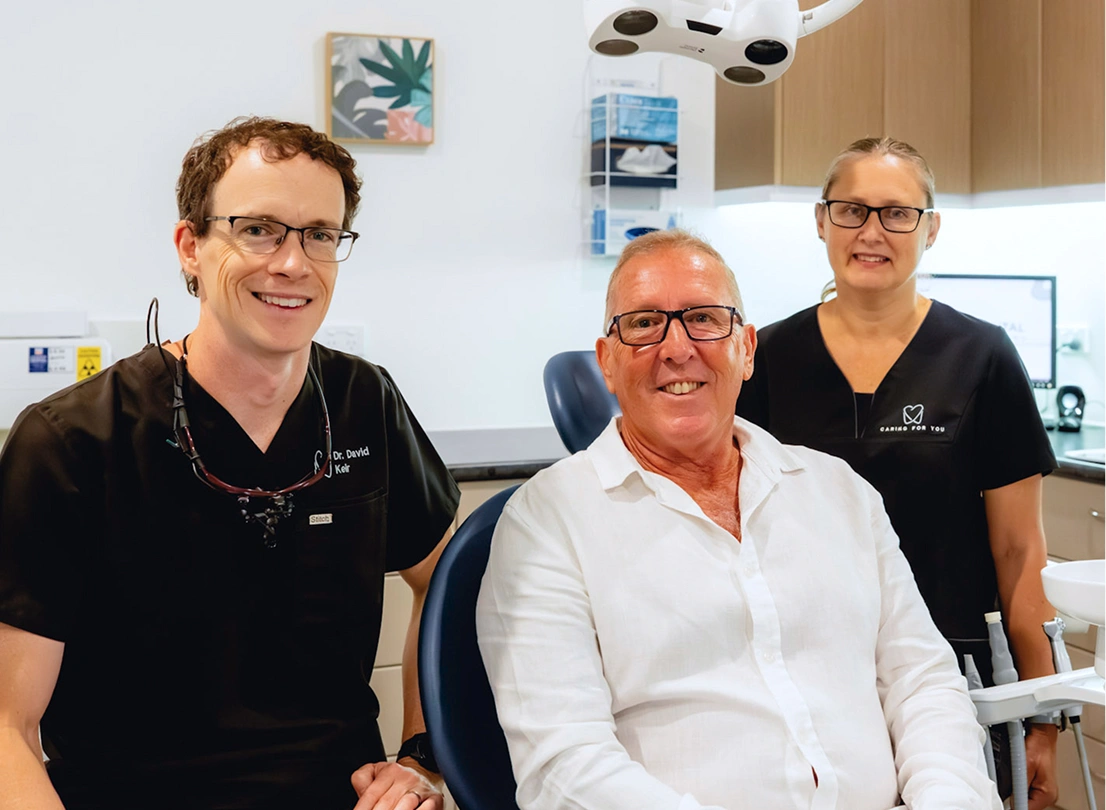
WE GET IT
Feeling nervous about the dentist is completely normal. Our team has years of experience helping anxious patients feel at ease. We’ll go at your pace, explain everything clearly, and never make you feel rushed or judged.
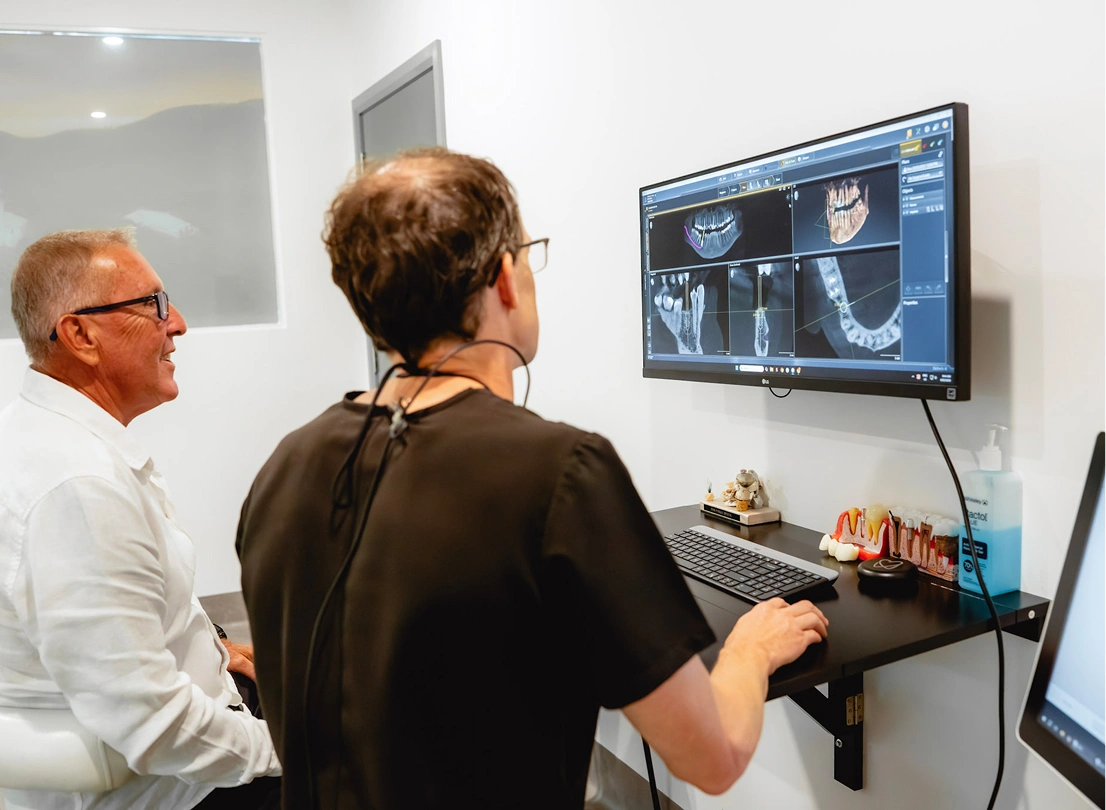
MODERN, COMPREHENSIVE CARE
We’ve invested in technology that makes your experience better. CEREC same-day crowns, 3D imaging, digital scanners, and smile design software mean more accurate treatment, less waiting around, and results you can see before we start.

WE STAND BEHIND OUR WORK
All major dental work comes with a three-year guarantee. It’s our way of showing confidence in the quality of care we provide and giving you genuine peace of mind about your treatment.
GETTING TO KNOW YOU
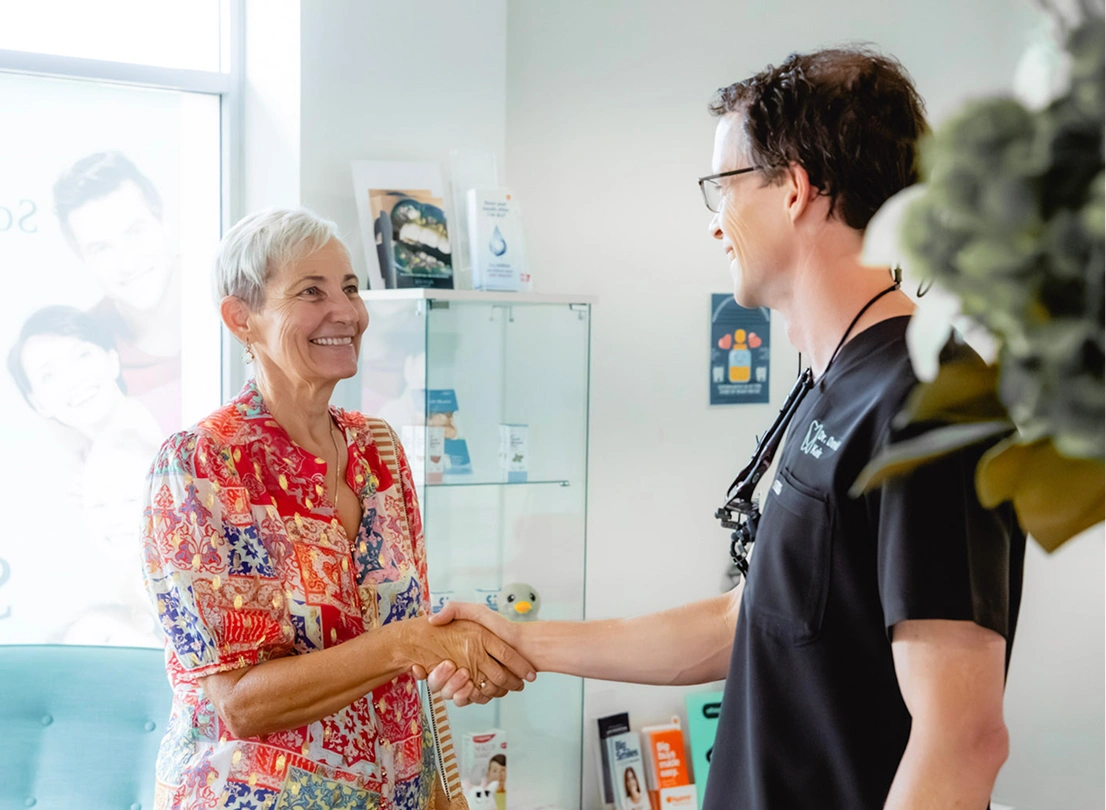
We take time to listen and understand what matters to you. You’re not just another appointment in the schedule. We’re here to build a relationship with you and support your oral health for the long term.

NO SURPRISE COSTS
We’ll always explain costs upfront, so you know exactly what to expect. Interest-free payment plans are available through SmileRight and Humm, making quality dental care more accessible without the financial stress.
we get it
Feeling nervous about the dentist is completely normal. Our team has years of experience helping anxious patients feel at ease. We’ll go at your pace, explain everything clearly, and never make you feel rushed or judged.
MODERN, COMPREHENSIVE CARE
We’ve invested in technology that makes your experience better. CEREC same-day crowns, 3D imaging, digital scanners, and smile design software mean more accurate treatment, less waiting around, and results you can see before we start.
WE STAND BEHIND OUR WORK
All major dental work comes with a three-year guarantee. It’s our way of showing confidence in the quality of care we provide and giving you genuine peace of mind about your treatment.
GETTING TO KNOW YOU
We take time to listen and understand what matters to you. You’re not just another appointment in the schedule. We’re here to build a relationship with you and support your oral health for the long term.
NO SURPRISE COSTS
We’ll always explain costs upfront, so you know exactly what to expect. Interest-free payment plans are available through SmileRight and Humm, making quality dental care more accessible without the financial stress.
related treatment
INTERESTED IN FISSURE SEALANTS?
Let’s discuss whether sealants could benefit you or your children.
Call us on 02 6422 8926 or book online.