By 120 Reviews

Mandibular Advancement Splints
Treating snoring and sleep apnoea with custom oral devices
Mandibular Advancement Splints in South West Rocks, Kempsey & Coffs Harbour
Keeping your partner awake with your snoring? Or maybe you’ve been diagnosed with mild to moderate sleep apnoea but can’t get on with a CPAP machine.
A mandibular advancement splint could offer a more comfortable alternative that you actually wear.
MANAGING SNORING AND SLEEP APNOEA
Mandibular advancement splints are custom-made oral devices that hold your lower jaw slightly forward while you sleep. This positioning aims to keep your airway open, which can help reduce snoring and may improve mild to moderate obstructive sleep apnoea.
They offer a comfortable alternative to CPAP machines for some people.
Patients from South West Rocks, Kempsey, Coffs Harbour, and throughout the Mid North Coast choose our friendly team here at South West Rocks Dental for custom sleep appliances that offer a more comfortable approach to managing snoring and sleep apnoea.
WHAT MANDIBULAR ADVANCEMENT SPLINTS HELP WITH
SNORING THAT DISRUPTS SLEEP
Loud snoring can affect both your sleep quality and your partner’s rest. A mandibular advancement splint aims to keep your airway open by positioning your jaw forward, which can help reduce snoring for many people.
MILD TO MODERATE OBSTRUCTIVE SLEEP APNOEA
Sleep apnoea causes repeated pauses in breathing during sleep, leaving you tired and increasing health risks. For mild to moderate cases, a custom splint can help keep your airway open and may reduce the frequency of these breathing interruptions.
DIFFICULTY TOLERATING CPAP MACHINES
Some people find CPAP machines uncomfortable, noisy, or difficult to travel with. Mandibular advancement splints offer a quieter, more portable alternative that may work well for mild to moderate sleep apnoea when CPAP isn’t suitable or tolerated.
WHAT HAPPENS DURING YOUR MANDIBULAR ADVANCEMENT SPLINT TREATMENT

COMPREHENSIVE ASSESSMENT
We examine your teeth, jaw, and bite, and discuss your sleep symptoms and medical history.

TAKING PRECISE IMPRESSIONS
We take detailed impressions of your teeth to create a splint that fits comfortably and securely.

CUSTOM FABRICATION
Your splint is custom-made to fit your mouth precisely and position your jaw at the optimal angle.

FITTING AND ADJUSTMENT
We fit the splint, show you how to use and care for it, and make adjustments for comfort.
Risk & Recovery
Possible Risks
- aw discomfort, tooth tenderness, or excessive saliva production when starting to wear the splint
- Temporary bite changes may occur, particularly in the morning, but usually settle during the day
- Teeth or dental work may become loose or damaged if the splint doesn’t fit properly
- Jaw joint (TMJ) discomfort can develop in some people, requiring adjustment or discontinuation
Recovery
- Initial adjustment period of 2 to 4 weeks as you get used to wearing the device
- Mild jaw stiffness or soreness in the morning is common initially but typically improves
- Most people adapt within a few weeks and can wear the splint comfortably all night
- Regular follow-ups help us monitor your progress and make any necessary adjustments
TRANSPARENT PRICING, NO SURPRISES
We believe you should know what to expect before you book. Download your free copy today.
FAQ's: Mandibular Advancement Splints
How is this different from a snoring mouthguard?
Over-the-counter snoring mouthguards are one-size-fits-all and often uncomfortable or ineffective. A custom mandibular advancement splint is made specifically for your mouth, fits precisely, and can be adjusted to find the optimal jaw position for keeping your airway open.
Custom splints are also more durable and comfortable for long-term use. Because they’re tailored to your bite and jaw, they’re less likely to cause tooth or jaw problems compared to generic devices.
Will it cure my sleep apnoea?
A mandibular advancement splint is a treatment that manages sleep apnoea symptoms, not a cure. It works by keeping your airway open while you’re wearing it, which can help reduce breathing interruptions during sleep. You’ll need to wear it every night for ongoing benefit.
For mild to moderate obstructive sleep apnoea, splints may be effective for some people. However, severe sleep apnoea typically requires CPAP therapy or other treatments. Your sleep specialist or doctor will help determine if a splint is appropriate for your situation.
How long does it take to get used to wearing it?
Most people need 2 to 4 weeks to fully adjust to wearing a mandibular advancement splint. Initial discomfort, excess saliva, or jaw stiffness is normal and usually settles as you adapt. Start by wearing it for a few hours each night, gradually increasing wear time.
Some people adjust within a few days, while others take longer. We’ll schedule follow-up appointments to check how you’re managing, make adjustments if needed, and address any concerns. Persistence during the adjustment period usually pays off with better sleep quality.
YOUR PAYMENT PLAN OPTIONS



why choose us
WE GET IT
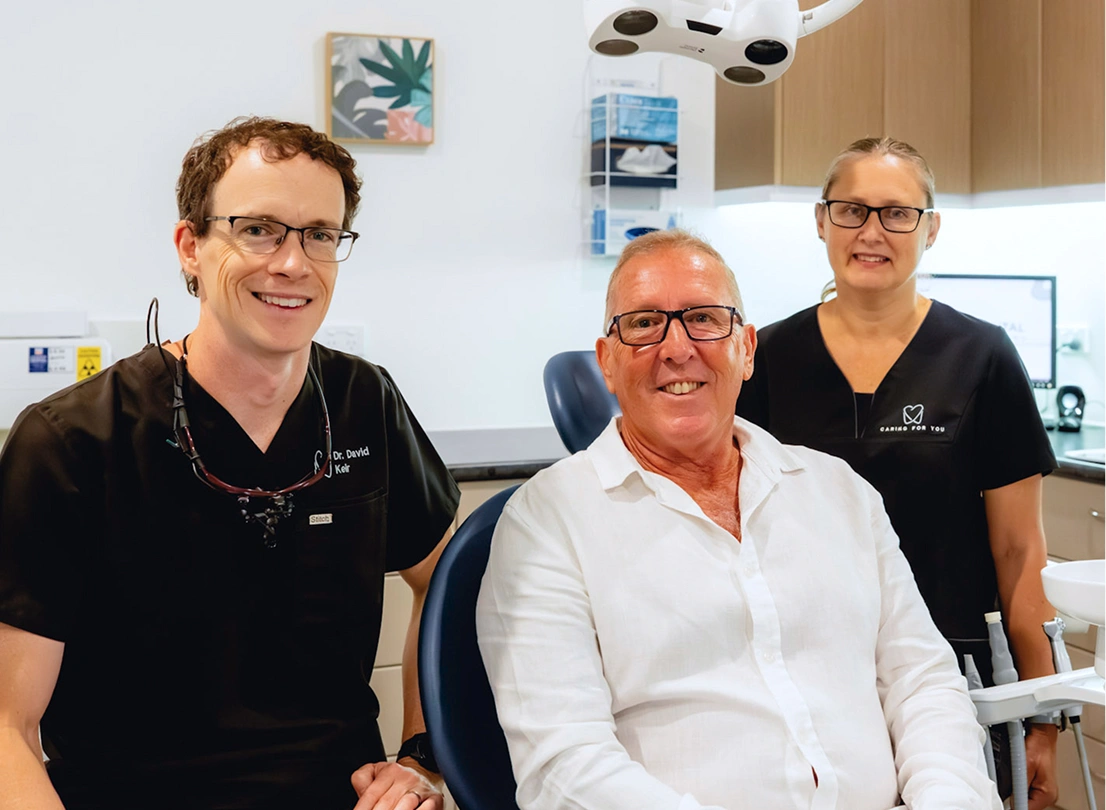
Feeling nervous about the dentist is completely normal. Our team has years of experience helping anxious patients feel at ease. We’ll go at your pace, explain everything clearly, and never make you feel rushed or judged.
MODERN, COMPREHENSIVE CARE
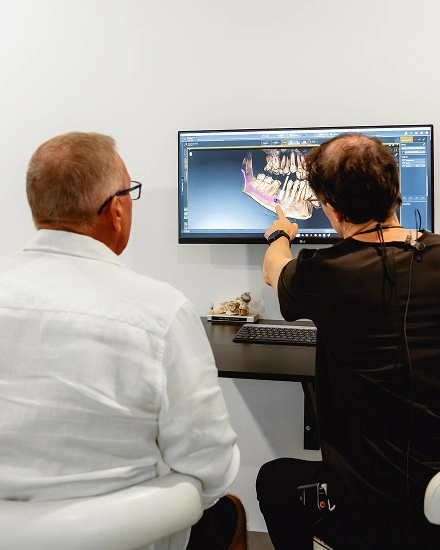
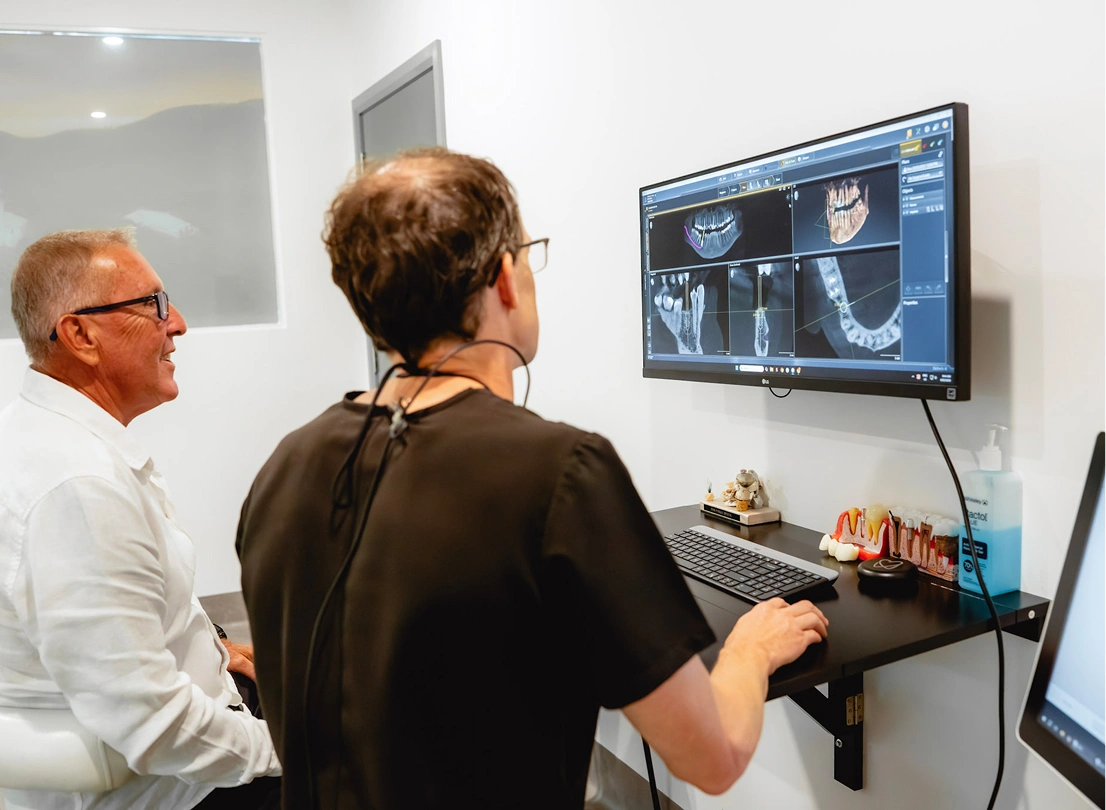
We’ve invested in technology that makes your experience better. CEREC same-day crowns, 3D imaging, digital scanners, and smile design software mean more accurate treatment, less waiting around, and results you can see before we start.
WE STAND BEHIND OUR WORK
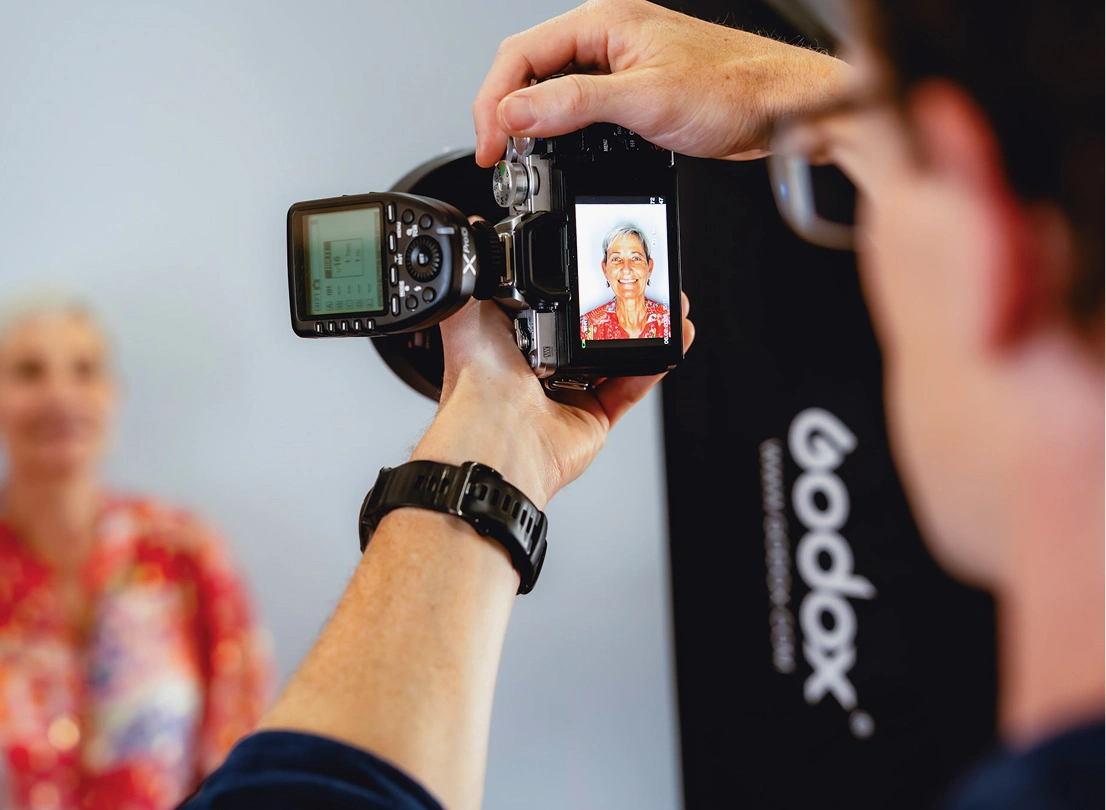
All major dental work comes with a three-year guarantee. It’s our way of showing confidence in the quality of care we provide and giving you genuine peace of mind about your treatment.
GETTING TO KNOW YOU
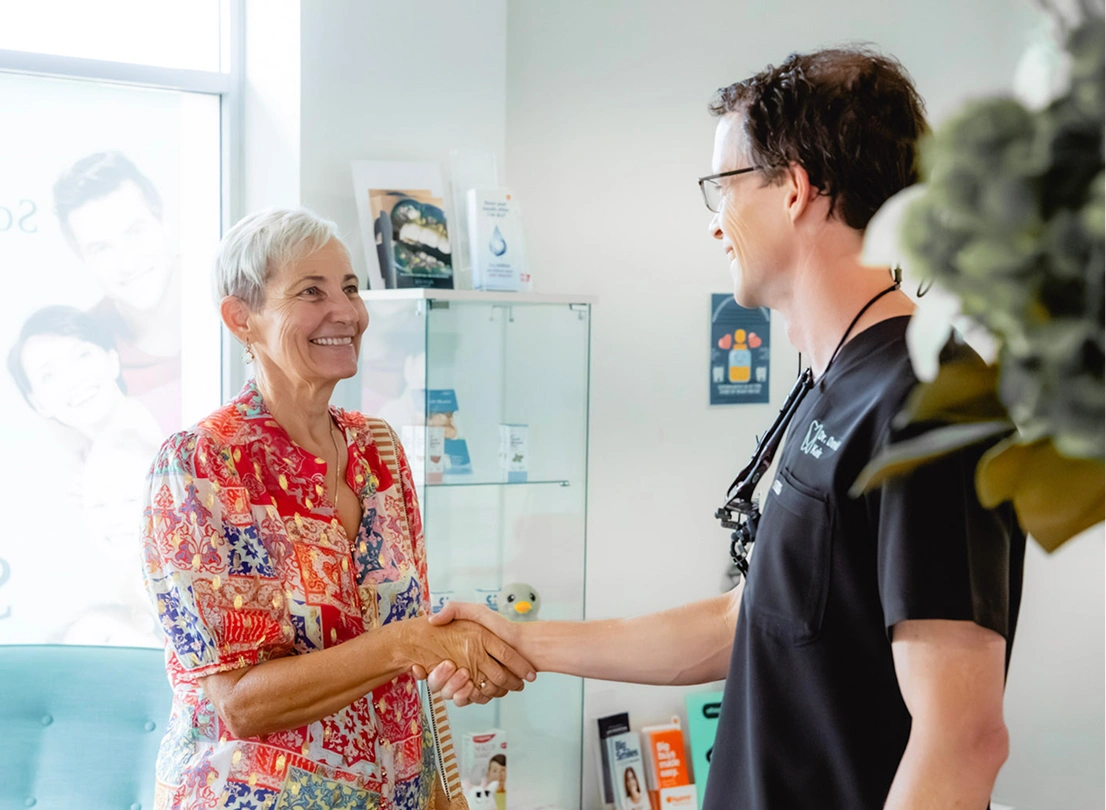
We take time to listen and understand what matters to you. You’re not just another appointment in the schedule. We’re here to build a relationship with you and support your oral health for the long term.
NO SURPRISE COSTS
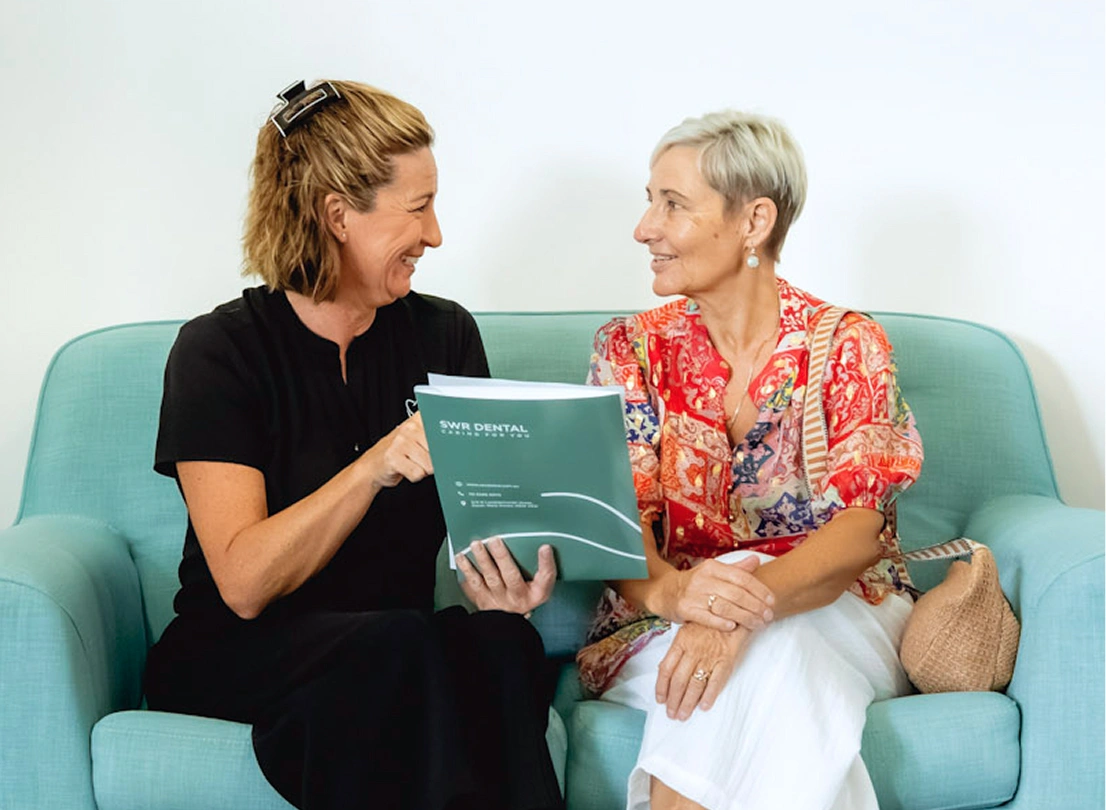
We’ll always explain costs upfront, so you know exactly what to expect. Interest-free payment plans are available through SmileRight and Humm, making quality dental care more accessible without the financial stress.
we get it
Feeling nervous about the dentist is completely normal. Our team has years of experience helping anxious patients feel at ease. We’ll go at your pace, explain everything clearly, and never make you feel rushed or judged.
MODERN, COMPREHENSIVE CARE
We’ve invested in technology that makes your experience better. CEREC same-day crowns, 3D imaging, digital scanners, and smile design software mean more accurate treatment, less waiting around, and results you can see before we start.
WE STAND BEHIND OUR WORK
All major dental work comes with a three-year guarantee. It’s our way of showing confidence in the quality of care we provide and giving you genuine peace of mind about your treatment.
GETTING TO KNOW YOU
We take time to listen and understand what matters to you. You’re not just another appointment in the schedule. We’re here to build a relationship with you and support your oral health for the long term.
NO SURPRISE COSTS
We’ll always explain costs upfront, so you know exactly what to expect. Interest-free payment plans are available through SmileRight and Humm, making quality dental care more accessible without the financial stress.
related treatment
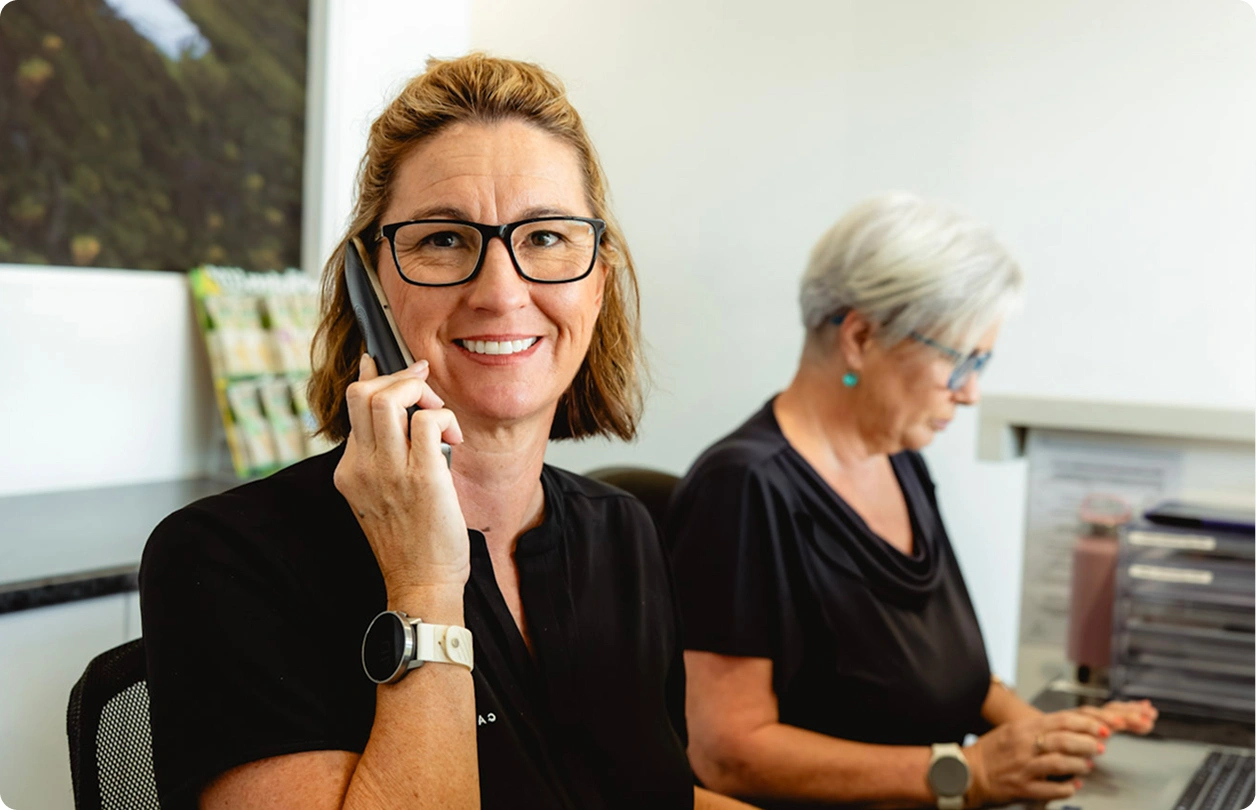
STRUGGLING WITH SNORING OR SLEEP APNOEA?
Let’s discuss whether a mandibular advancement splint might help.
Call us on 02 6422 8926 or book online.